Independent journalism is a hallmark of democracy, fundamentally essential for holding power accountable and ensuring that citizens are provided with accurate and impartial information. However, in Southern Africa, media freedom is increasingly threatened by political interference, restrictive and draconian legislation, financial limitations and significant risks to journalists’ safety. These pressing challenges underscored the urgent necessity for intervention through the establishment of a regional platform dedicated to fostering dialogue, collaboration and the development of practical solutions to support independent media.
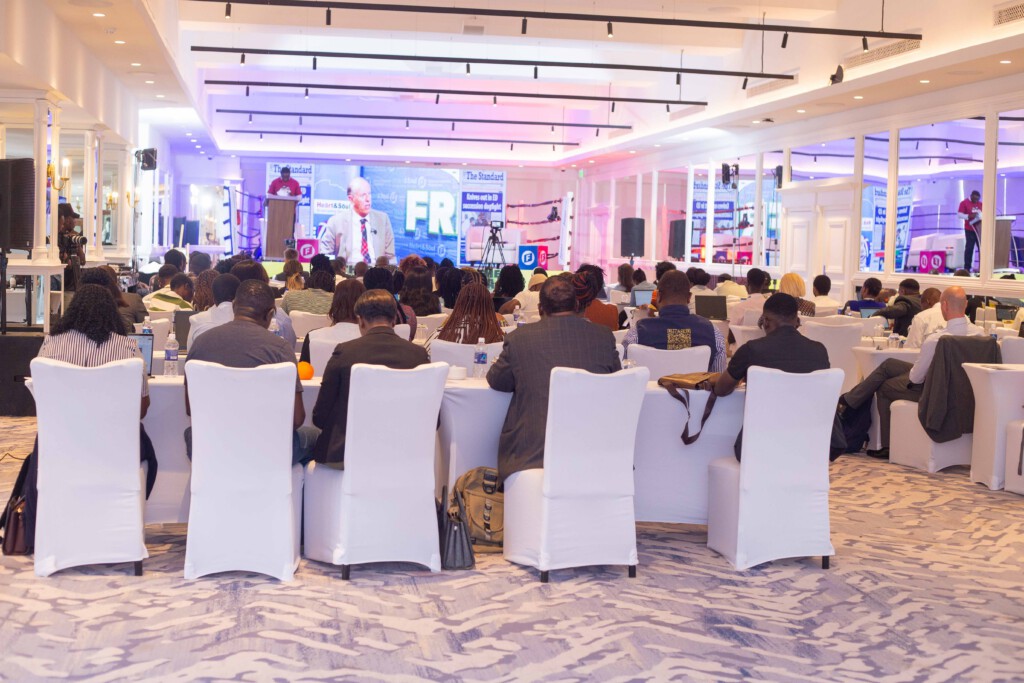
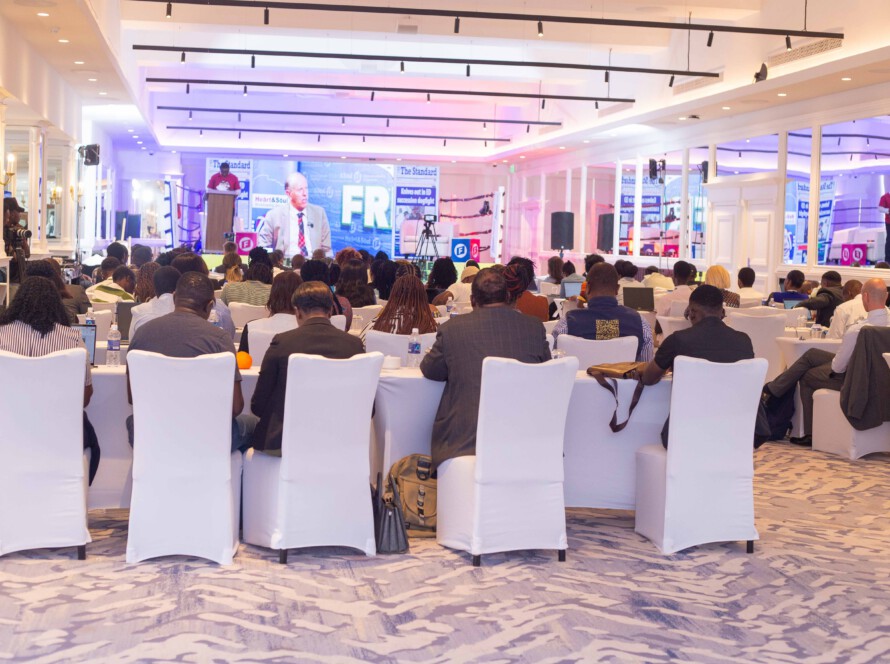
To exemplify this initiative, the Friedrich Naumann Foundation, Heart and Soul Broadcasting Services , Centre for Human Rights , Orbit International Youth Organization, Fojo, Zimbabwe Lawyers for Human Rights, ActionAid, Amnesty International and Media Alliance Of Zimbabwe, partnered to convene The Southern Africa Media Summit (SAMS), which took place on October 15-16, 2025. The Summit employed a multifaceted approach, incorporating innovative and cutting-edge presentations from renowned speakers, panel discussions and video screenings, with the aim of fulfilling several essential objectives that include:
- Share best practices: highlight successful strategies from regional and global media organisations
- Forster Collaboration: Build alliances between journalists, civil society, media lawyers and policymakers
- Promoting democratic nation-building, enhancing positive national and SADC regional image, and fostering a shared understanding of media’s critical contribution
- Develop solutions: Identify concrete, actionable recommendations for sustaining independent journalism
- Expose key challenges: provide a platform to discuss legal, financial, and security threats to independent journalism
- Raise awareness: Strengthen public and international support for press freedom
This hybrid event seamlessly brought together a diverse group of stakeholders, including journalists, academia, media executives, civil society representatives, the diplomatic fraternity, specifically the Germany, Canada, India, EU, Britain and the Australia and international organisations dedicated to media rights. Together, they strategised on effective measures to protect and promote independent journalism, culminating in a Regional Action Plan designed to sustain independent media within an increasingly challenging context of diminishing civic space and stringent legal frameworks. Together, the organisations believe in the imperative to operationalise the Regional Action Plan with haste, starting with collaborative initiatives, with anticipation that progress and impact will be reported during the next Summit 2026.